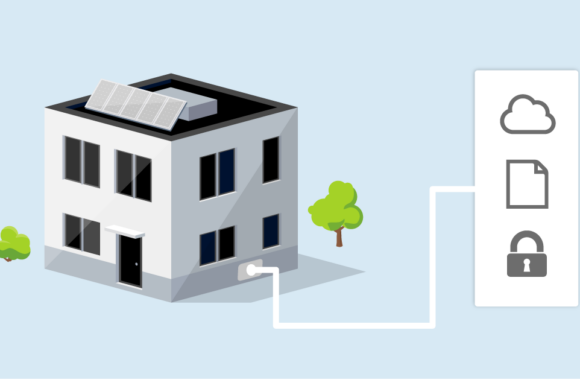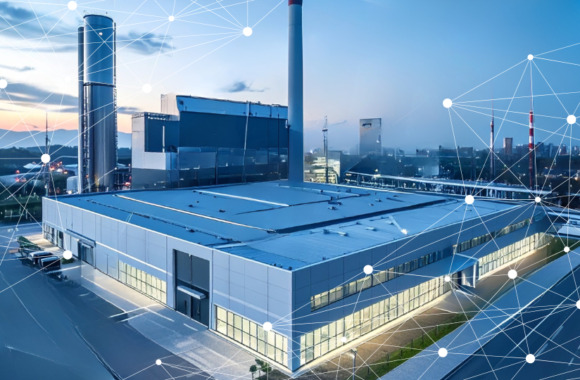

This scene is not from a science fiction film, but depicts the reality of data rooms, which will fundamentally revolutionize the sharing and use of data.
From island system to global data space - a journey through time:
In the 80s, proprietary systems were the standard. Data was trapped in island systems, with no available bridges in between. Communication was a one-way street, without common usage options. Interfaces? Mostly non-existent. The digital world was a collection of isolated fortresses.
It was only after the turn of the millennium that the systems opened up more and more. Systems with standardized interfaces (known as EDI) were introduced. Although these offered a ray of hope in terms of data communication, they were severely limited by their small data volumes and the need for the sender and recipient to be online at the same time. The data structure remained cumbersome and every change was a laborious undertaking.
The subsequent solution, described as Data Lakes, opened up new possibilities and for the first time offered the opportunity to combine different data and enable new views of the database. The disadvantage of data lakes, however, was that the data always had to be moved (i.e. copied) to a different location. This entails the disadvantage of redundancy with additional costs, time-consuming data traffic, the need for synchronization and possibly limited security. Many people have therefore decided against "publishing their data" in such a lake.
The era of data rooms:
The introduction of data rooms marked a decisive turning point. These innovative virtual rooms are revolutionizing data exchange by enabling efficient multiple use of data - without the need for senders or recipients to be permanently online or for data to be moved to a different location. This not only makes data communication more flexible and faster, but also significantly more secure. Anonymization through an intermediate layer becomes possible, a real game changer in the world of digital communication.
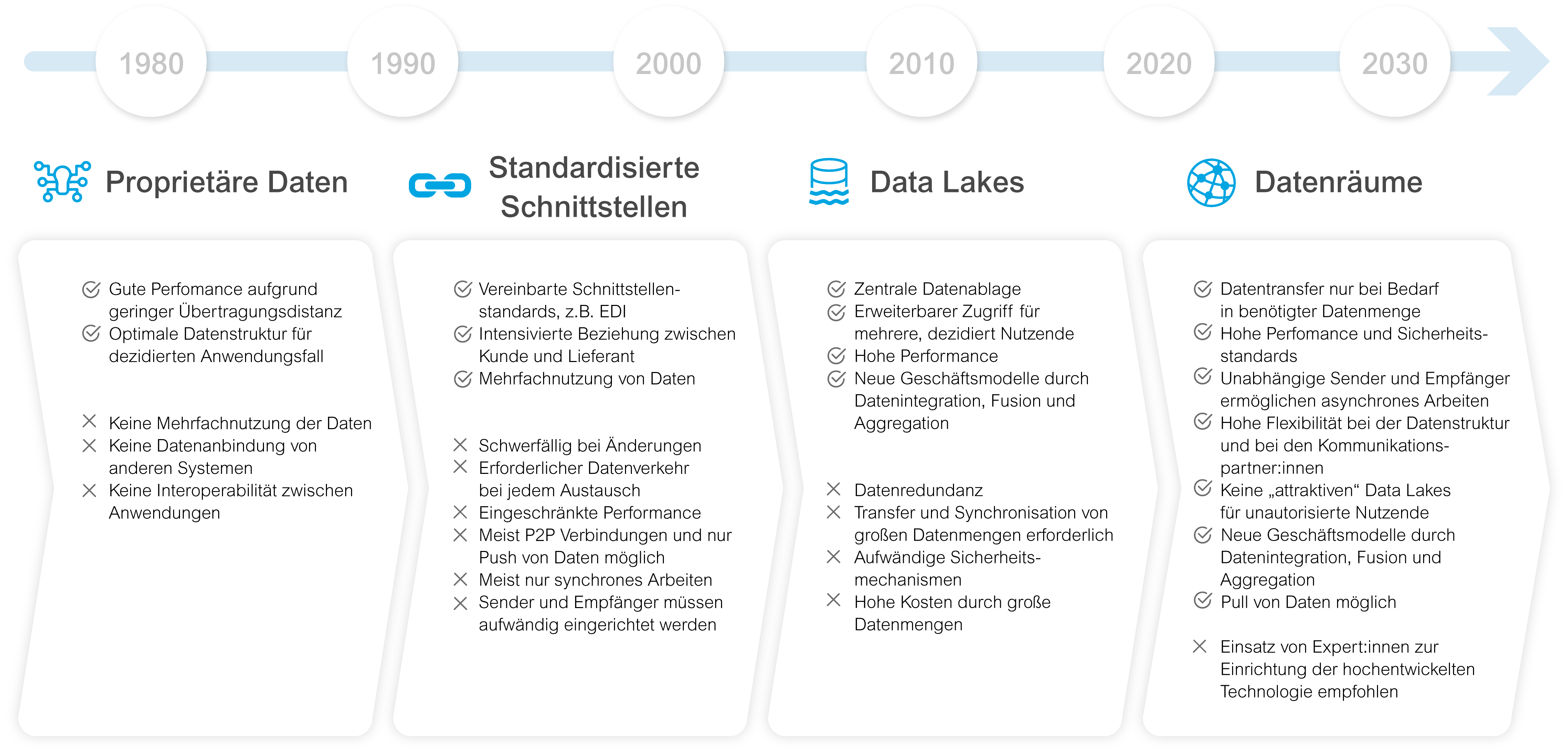
Figure 1: Timeline, source: own illustration
Why data rooms have become indispensable
Data rooms not only open up new ways of communicating data, but are also the key to innovative business models and sustainable corporate strategies. They make it possible not only to share data securely, but also to use it intelligently to develop forward-looking services. However, the benefits go far beyond the mere provision of data.
- New business models: By analyzing and providing data in data rooms, companies can create innovative services that were previously unthinkable. These new business models can be based on the precise needs of customers and thus offer direct added value.
- CO₂ reduction: Another key benefit is the ability for companies to analyze their carbon footprint along the entire supply chain by collaborating in data rooms. This opens up ways to take effective measures to reduce emissions and thus make a contribution to environmental protection.
- Circular economy: Digital twins in data rooms improve cooperation between original equipment manufacturers (OEMs) and suppliers. This leads to an optimization of resource cycles and supports an efficient circular economy in the supply chain.
- Traceability: Traceability in the value chain is another significant advantage of data rooms. It sustainably improves the resilience and quality assurance of companies. This ensures effective supply chain responsibility, which is essential in today's economy.
- Simplified documentation: Suppliers no longer have to provide extensive documentation on process flows. Customers can retrieve and process data on demand and without additional effort.

More than a technological innovation
Data rooms are not just a technological innovation; they are the invisible backbone that supports and drives modern data communication. They provide a robust, secure and flexible platform for data transfer that meets the demands of the 21st century. The question is no longer whether companies should use data rooms, but how quickly they can adapt so as not to be left behind in the digital future.
Will data rooms cover all data exchange requirements in the future?
The short answer is no. Although data rooms represent a revolutionary development, there is still a need for traditional data exchange for certain applications. This is partly due to historically evolved systems and the fact that not all data is required for external use. Nevertheless, it is foreseeable that data rooms will become increasingly important in cooperation between companies and will increasingly replace outdated methods of data transfer. They not only offer more efficient and secure data communication, but also open up new opportunities for collaboration and innovation.

Evolution of isolated island systems
The evolution from isolated stand-alone systems to networked data rooms shows how far we have come in data communication. Data rooms are the answer to the growing demand for efficient, secure and flexible data transmission. They allow us to push the boundaries of the digital world and redefine the way we share and use information.