
Networking creates added value. The basis is software.
The development is rapid: just a few years ago, at the beginning of the "digital revolution", the objective was above all to improve existing Optimize functions and processes with digital means. Individual machines became "smarter", making their work more efficient. Value creation was largely linked to the functionality of individual machines or the streamlining of existing process chains.
The transformation of our economy now goes far beyond this. Under the terms "IoT", "Connected Things" and "Connected Industry" develop Completely new organizational structures. Machines, vehicles and everyday products communicate with each other and function perfectly thanks to AI more and more self-sufficient. The High availability of data at any time and any place thanks to powerful IT and AI systems, make even the most complex systems almost Controllable at will.
Connected Things: New phase of digitalization
This new phase of digitalization enables Innovative business models and has so far opened unimagined value creation horizons - for example through the location- and time-independent monitoring of products, their optimization through software updates and the monetization of associated services. The benefits of own products can be significantly improved in networked systems. Efficient data communication Helps Save costs, optimize services - e.g. with Predictive maintenance - and the targeted Further development of products support.
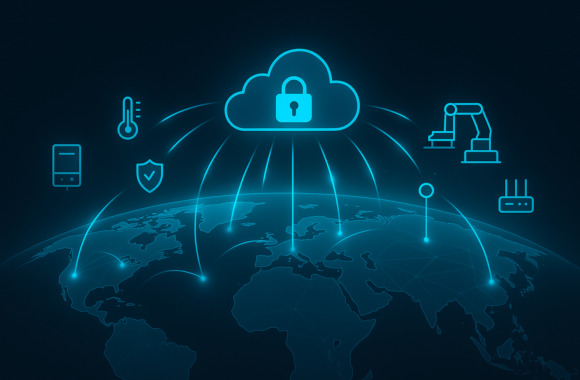
The driver of this development is the Networking of machines and IT systemswhich is ultimately a Digital image of the real world creates. An overall system consisting of hardware and software, the potential impact of which has only just begun to be recognized. How well individual companies in the manufacturing industry, for example, exploit this potential depends largely on how much energy and, above all, IT expertise they invest. This is because the key to the new value creation potential is without doubt the perfect Interaction of the software between the end device and the cloud.
The challenge is anything but trivial, because the processes that need to be mastered are complex. Software no longer just optimizes devices and machines - the real benefits of the networked industry unfold in higher-level systems, in the Backend.
The turbo: machine plus backend
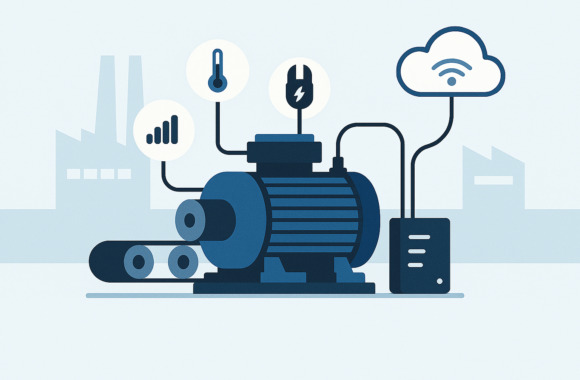
For example, there are systems that collect data from the drive trains of wind turbines or entire industrial plants during operation. This data is used to create "digital twins" of the machines on site, which can be used to remotely monitor the performance and condition of the systems and anticipate changes. To do this, the background acting system Manage and analyze large amounts of data in parallel and, if necessary, with various Options for action for each individual machine or device as required. The challenge here is above all to Structure data streams, to Scale and Software-based functions from the cloud to offer.
The complexity that needs to be mastered is enormous. This is because it is in the nature of highly networked systems that they consist of a growing number of mutually influencing factors and processes that are subject to constant change. Once software has been developed, it will never be "finished" in a static sense, but is an ongoing process. living system. Rather, it must be achieved through regular Software releases constantly kept up to date and constantly realigned to the customer's needs. It must be easily accessible via appropriate interfaces and from the cloud. customize and develop further leave. Only in this way will it be able to cope with the changing conditions in the long term.
Volatile requirements
This change affects the technology and functionality of machines and services as well as the growing diversity of model and product variants. But it also affects non-functional requirements like Changes in the international environment - be it legal requirements or technical standards, trade-related hurdles or the different, sometimes highly volatile framework conditions of regional markets.
Another dimension is the mutual dependencies. For example, if the developers of a milling machine combine two operations, i.e. intervene in their functionality, the tools may have to be changed and the accompanying services adapted. If the management develops a new business model, the requirements for other areas of the company may change.
The non-functional requirements to be covered by the software must always include the Safety aspects include. This includes protection against cyber attacks as well as data leaks or "simple" bugs. Not to forget: When planning a new product, it is usually difficult to estimate how high the marketable volume will be. So the software developer must also consider the possible Scalability right from the start.
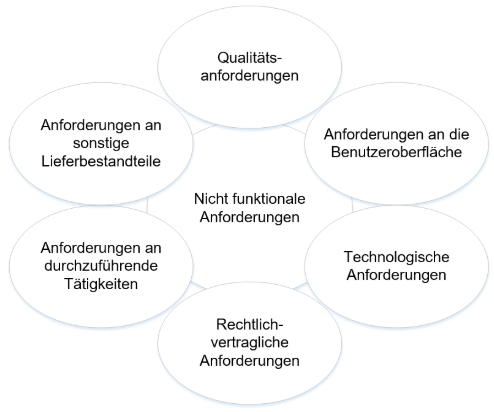
The same applies to the Requirements for the user interfacewhich should still be intuitively understandable even if there are changes to the functionality - or, if necessary, changes to the legal and contractual framework resulting from this.
All these requirements must be met in the Software architecture be recorded and processed. This creates the necessary Flexibility and expandabilitywhich is the basis of success for every successful product.
Networked systems are the drivers of success
One thing is certain: Networked systems are the drivers of the next success stories. Anyone who masters their complexity and develops digital services based on networked machines can operate and maintain them in the field, for example with Predictive maintenance clear more efficient and thus Savings potential to the full. And it can also Establish more flexible solutions on the market and thus its Value creation potential with digital services and new business models. The effort is worthwhile.