
What is function on demand? A brief explanation
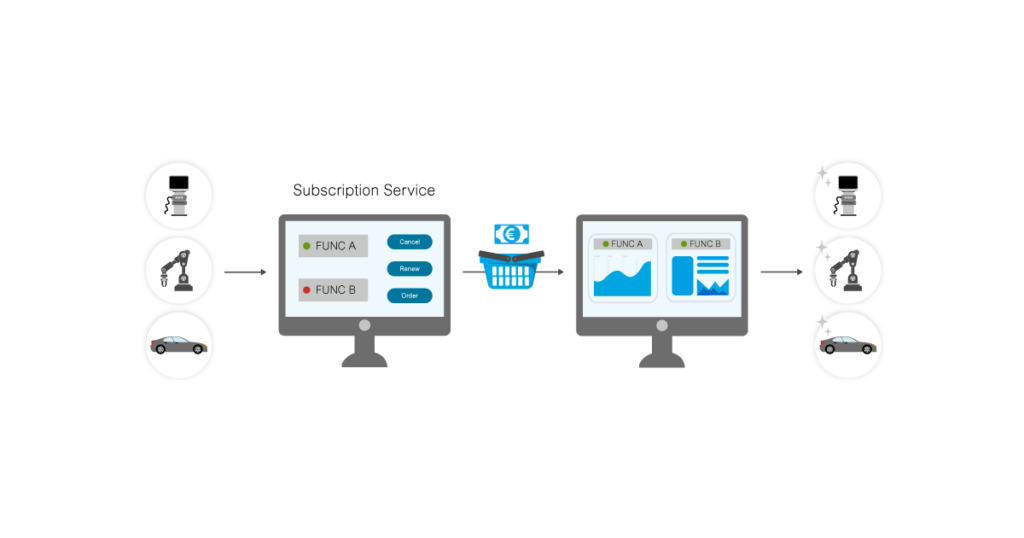
Functions on Demand (FoD) offer the option of flexibly unlocking additional features for a basic device after purchase - often for a fee or by subscription. This concept is revolutionizing how we use technology.
Why are functions on demand a game changer?
Attractive base price, full flexibility
With functions on demand, basic devices can be offered at a lower price, as expensive additional functions remain optional. Customers only pay for what they really need.
Fast market access
Manufacturers bring their products to market earlier, as optional functions can be integrated retrospectively. This allows customers to benefit from new technologies more quickly.
Sustainable sales for companies
Additional income from subscriptions makes companies less dependent on one-off purchases. This strengthens customer loyalty in the long term.
Future security for customers
Devices can be adapted to changing requirements with new functions. This increases satisfaction and ensures longer product life cycles.
Sustainability through less electronic waste
Thanks to the option of updating devices, they remain in use for longer. This saves resources and reduces waste.
Lower capital commitment
Functions on Demand (FoD) reduce the investment costs (CAPEX: Captial Expenditure) for devices. An attractive base price makes it possible to purchase with a lower investment. Additional features can be activated according to demand and budget and charged directly via the operational expenditure (OPEX). This leads to better capital utilization and higher liquidity.
How functions on demand work - a look behind the scenes
Integration in design and development
Even in the development phase, hardware and software must be designed in such a way that future expansions are possible. Forward-looking planning is essential.
Online capability of the devices
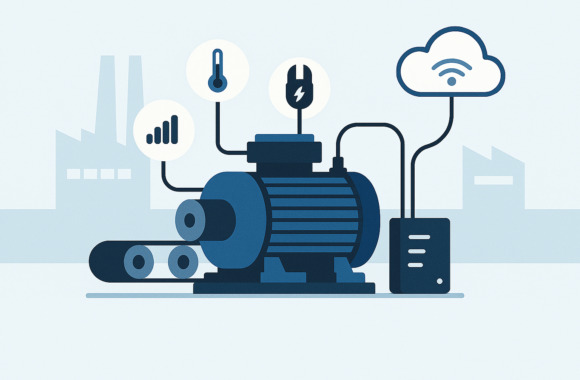
FoD requires devices to have interfaces such as LAN, WLAN or Bluetooth. This is the only way to easily activate new functions.
Flexible software architecture
The software must support extensions that can be easily uploaded, installed and activated. Solid update and version control is crucial here.
Expandable hardware
Devices should offer sufficient performance or expansion options to support future functions such as AI applications.
Functions on demand in practice
Automotive industry
Car manufacturers offer features such as improved assistance systems or infotainment options that can be activated retrospectively. This keeps vehicles up to date for longer.
Medical technology
In medical technology, additional diagnostic functions or software updates for devices such as MRIs can be activated. This saves investment in new hardware.
Industrial production
Production systems benefit from subsequently activated functions, such as extended analysis tools or specialized programs. This enables flexible adaptation to new requirements.
Advantages for customers
- Personalization: A customized product.
- Future security: Longer service life and up-to-date devices.
Challenges
- Security risks: Data protection and security must be guaranteed.
- Higher development costs: Flexible and expandable products require investment.
Conclusion: More flexibility, stronger customer loyalty
With functions on demand, companies are shaping a future in which technology becomes more flexible, more sustainable and more individual. This approach is setting new standards - both for customers and the environment. Will we soon experience a world in which every device grows with us? The answer starts today.