Digital technologies such as the Internet of Things (IoT) are no longer a vision of the future - they are tangible, usable and economically attractive. What was previously thought of primarily in an industrial context can now be transferred to a wide range of areas: agriculture, logistics, retail, public institutions and much more.
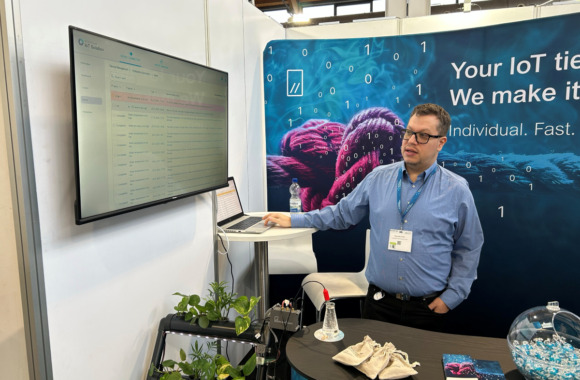
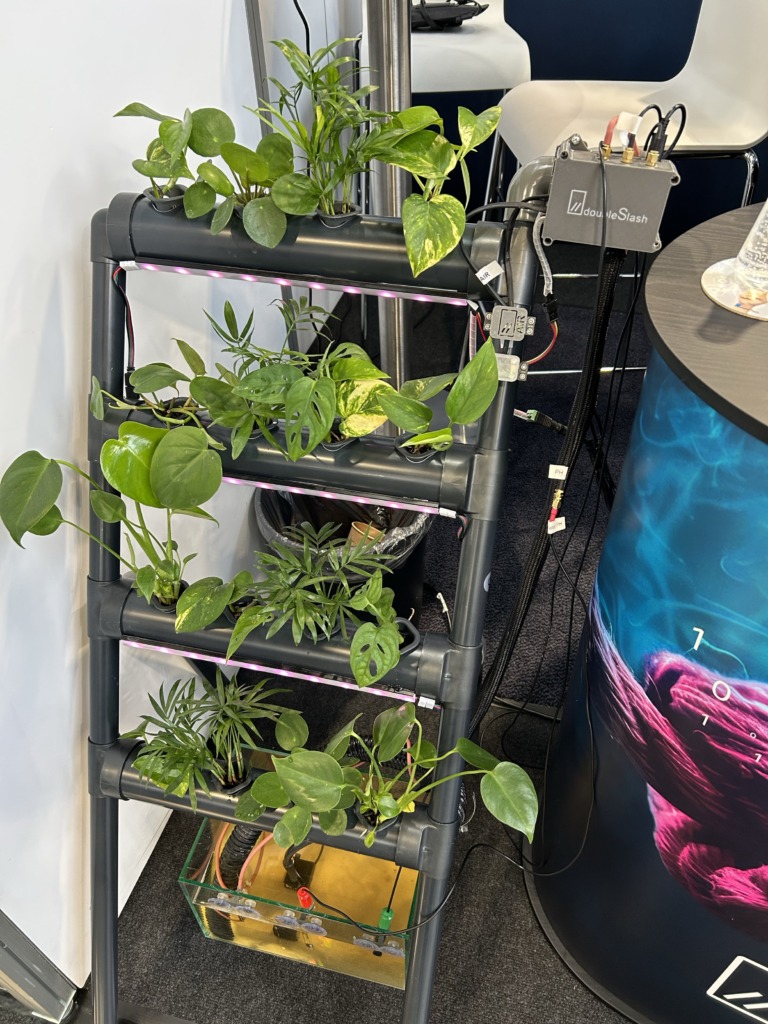
An impressive example of this is provided by our IoT showcasewhich is based on an active hydroponic system and uses the example of vertical farming to show how easy it is to implement a functioning IoT solution with existing software modules - regardless of industry or complexity. End-to-end providers like us develop holistic IoT ecosystems - from embedded to the cloud. This creates individual, cost-efficient and secure IoT ecosystems.
A vertical farming system as a showroom for digitalization
The idea: a vertical farming shelf - a stackable, space-saving system for soil-free plant cultivation - is digitized using sensors and actuators. This creates a smart environment in which all relevant growth parameters can be recorded, analyzed and controlled - all centrally via a dashboard on the IoT platform "ThingWorx".
Sensors in use:
- Water temperatureto prevent rotting
- pH valuefor optimum nutrient absorption
- EC value (electrical conductivity), for measuring the fertilizer content
- Air temperature & humidityfor the plant climate
- CO₂ contentas an indicator of air quality
The sensors continuously supply data that can not only be visualized, but also used for alarms, control and automated optimization.
From use case to solution: how IoT really works
The showcase makes it clear: IoT doesn't start with technology, but with the right use case. Only when it is clear what problem is to be solved or what added value is to be created - such as process monitoring, energy savings or accident prevention - can a solution be developed in a targeted and user-oriented manner.
We follow a clear structure:
- Define technical use case
What is the goal? Who has the pain point? What are the concrete benefits of the solution? - Select sensors & controls
What data do I need? How can actuators (e.g. lights or pumps) be integrated? - Create hardware prototypes
Customized brackets and housings are manufactured using 3D printing and attached directly to the device. - Connection to the IoT software solution
The values are recorded live via standard protocols and technologies, visualized on dashboards, saved and analysed. This saves time and money. - Thinking about usability right from the start
An intuitive interface often determines acceptance or rejection in the company.
Insights from our IoT showcase - and what companies can learn from them
- IoT is a practical gamachanger:
IoT is a game changer wherever physical processes need to be monitored and optimized or maintenance processes need to be controlled efficiently - for example in cold chains, production facilities or agricultural irrigation. - It's easier than you thought:
If you rely on modular software solutions, you can get started quickly - without having to develop everything from scratch. Sensors and use cases come from the customer, the rest of the solution comes from the drawer. - The human being remains decisive:
It is only through close cooperation with the actual users - such as operations managers, remote service managers or plant managers - that a solution is created that not only works technically, but also inspires in everyday use. - User experience is not a nice-to-have:
Only intuitive and clearly structured dashboards make it possible to work efficiently - without long training sessions or frustration.
Conclusion: Digitalization starts small - and has a big impact
Our showcase proves it: IoT works everywhere - not just in industry, but in any context where data can help to understand and improve processes. It's not about technology as an end in itself, but about concrete benefits: more efficient workflows, better decisions and transparent processes.
Two key findings can be drawn from the project:
IoT works everywhere: Whether in vegetable growing operations, machinery, building technology or retail - wherever something needs to be measured, monitored or controlled, an IoT solution can create real added value.
Without business value: Focus on what creates real business value for your product, process and company. IoT building blocks, standard technologies and IoT experts will take care of the rest.
It is easier than expected: Those who rely on existing solution modules can get started quickly and safely. The necessary IT architecture, connectivity and visualization are often already in place - they just need to be adapted to the appropriate use case. This takes away the reluctance of many companies to deal with sensor technology, data processing or cloud connectivity.
The highlight: The solution is scalable and reusable. Once set up, it can be transferred to other devices, processes or use cases - regardless of which devices or machinery they are used in or whether they are distributed across several locations or production halls.
Your takeaway: IoT is neither complicated nor exclusive - if you approach it correctly. It is pragmatic, usable - and above all: ready for your specific use case. Get started now with your "IoT" enabler.