

Soccer inspires millions of people and is a perfect example of how teamwork, strategy and flexibility can lead to success. These principles can also be applied to the world of software development. Imagine software architecture is like a game of soccer - it's not just about individual skills, but about the entire team working together. Adaptability, clear structure, effective communication and teamwork are crucial to achieving the common goal. But how does this metaphor apply to working in software architecture? In this blog post, we show why software architecture is a real team sport and how everyone in the team influences the architecture through their decisions.
Software architecture is a team sport
Adaptability and teamwork
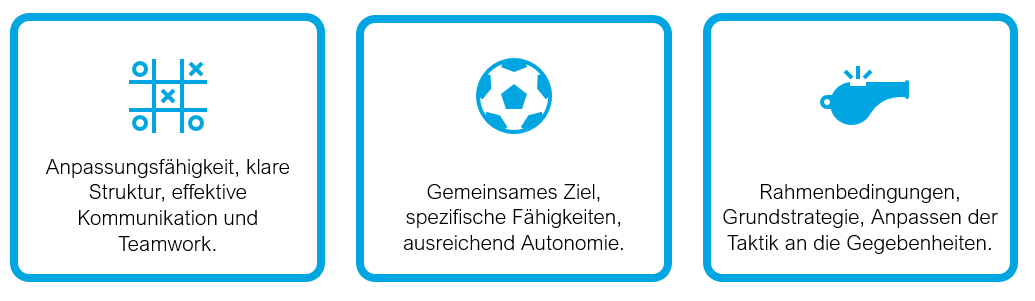
In soccer, every team member must be able to react to unexpected situations and adapt to new circumstances. It's the same in software development. When requirements change or unforeseen problems arise, everyone in the team must be flexible and ready to adapt their strategies. Each developer brings specific skills that lead the team to success. Autonomy at work is important, but the common goals always take priority.
Clear structure and effective communication for software architects
A clear structure is essential in soccer. Each player has a defined role, and only through effective communication and collaboration can the team be successful. It's no different in software development. A well-structured team in which everyone knows what is expected of them can work efficiently and implement projects successfully. Communication between the team members and the architects is crucial.
The role of software architects
Software architects are comparable to soccer coaches. They define the basic strategy and create the framework within which the team works. They must ensure that the chosen architecture meets the requirements of the project and allows for future adjustments. At the same time, they must be flexible enough to adapt the tactics to changing circumstances without losing sight of the overall goal.
Everyone influences architectural decisions
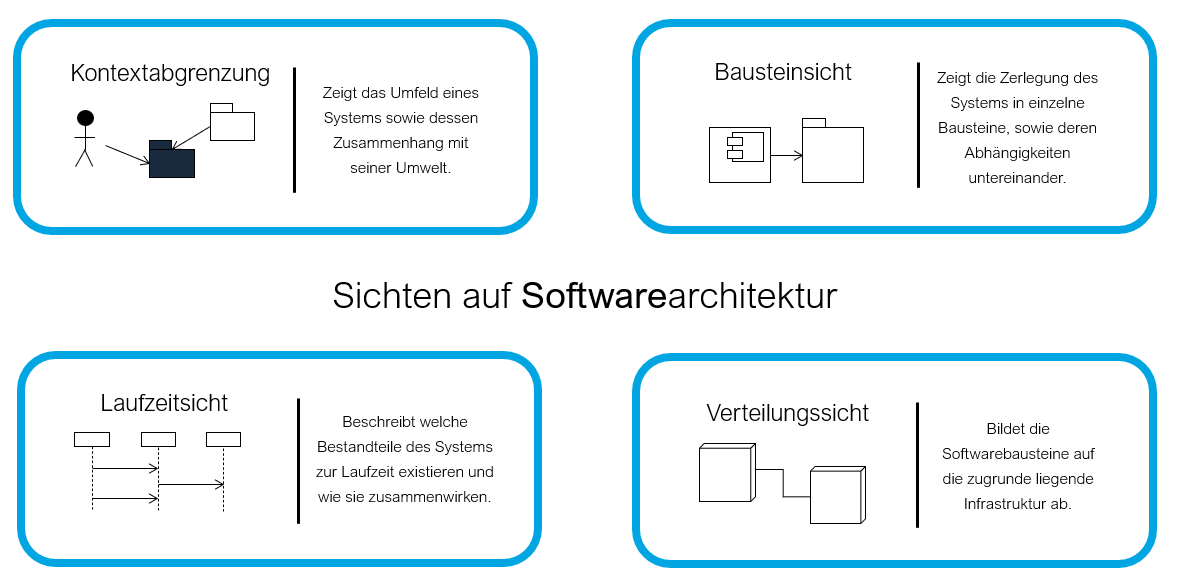
"Software architecture is the set of all important decisions that are difficult to change."[1] This quote from Martin Fowler sums up what makes software architecture so essential. In addition, it is not just the lead software architect who makes crucial architecture decisions in a software project - everyone in the team has an influence on them. Every product owner, solution architect or developer contributes to the architecture as a whole through their decisions. To illustrate this, we look at four different architecture views:
[1] https://kylecordes.com/2015/fowler-software-architecture
Context delimitation
The context delimitation shows the environment of a system and its connection with its environment. It defines which external systems interact with its own system and which interfaces are necessary for this. Decisions about which systems are integrated and how have a profound impact on the architecture. The product owner defines the domain within which the system exists and interacts with external components with the help of the Solution Architect (e.g. using DDD Strategic Design [1]). The solution architect defines the technical details of the integration to ensure that the system communicates smoothly with its environment. The developers are responsible for the actual implementation of these interfaces and components.
Building block view
The building block view shows the breakdown of the system into individual building blocks and their interdependencies. The product owner can specify the rough structure of the system by defining requirements for the architecture. A solution architect determines the basic structure of the system and defines the building blocks and relationships between the individual building blocks. The developers design and implement the individual components within this structure and make decisions about the specific implementation.
Runtime view
The runtime view describes which components of the system exist at runtime and how they interact. The aim here is to understand how the individual components interact at runtime and how data flows and control structures are organized. The product owner can set requirements for the performance and scalability of the system that influence the runtime architecture. A solution architect ensures that the runtime structure meets the requirements and coordinates the interactions between the various components. The developers are responsible for the implementation of these interactions and make decisions about the optimal execution at runtime.
Distribution view
The distribution view maps the software modules to the underlying infrastructure. This concerns decisions on which servers or in which cloud environments the various parts of the software run. The product owner often decides on the financial and organizational aspects of the infrastructure, while a solution architect plans the technical distribution and the developers set up the infrastructure and ensure smooth deployment during operation.
How does layer-based architecture work?
Our assessment
Software architecture is more than just the design of a system. It is a process in which all team members influence through their decisions and collaboration. By viewing software architecture as a team sport and understanding that everyone influences the architecture through their decisions, we can utilize the strengths of each individual and develop robust, scalable and maintainable software together. Let's take on this challenge together and lead our projects to success!
Learn more about software architecture