

After in the first part of this blog series The framework conditions and challenges for the establishment of standards in the IoT environment were highlighted in the previous section, this article is dedicated to the specific best practices required for the creation of IoT standards.
Re 1.
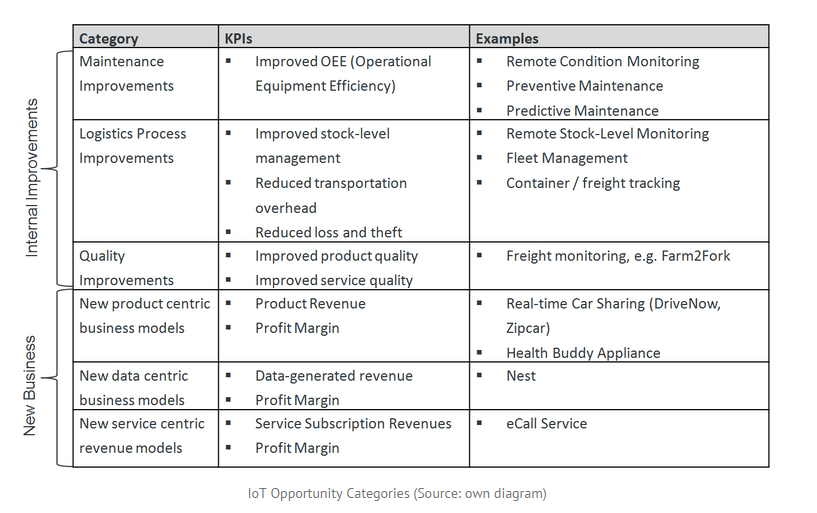
The Ignite IoT Framework focuses on the identification and management of IoT opportunities in addition to expanding the corporate strategy to include IoT features. The following categorization can be used to identify potential within the company and derive opportunities and projects.
In the blog series "The Internet of Things - an optional extra or a must for your business success?", we have already presented the IoT maturity model that doubleSlash uses in consultations and customer workshops [3]. The model goes one step further and incorporates the company's IoT maturity level into the overall strategy.
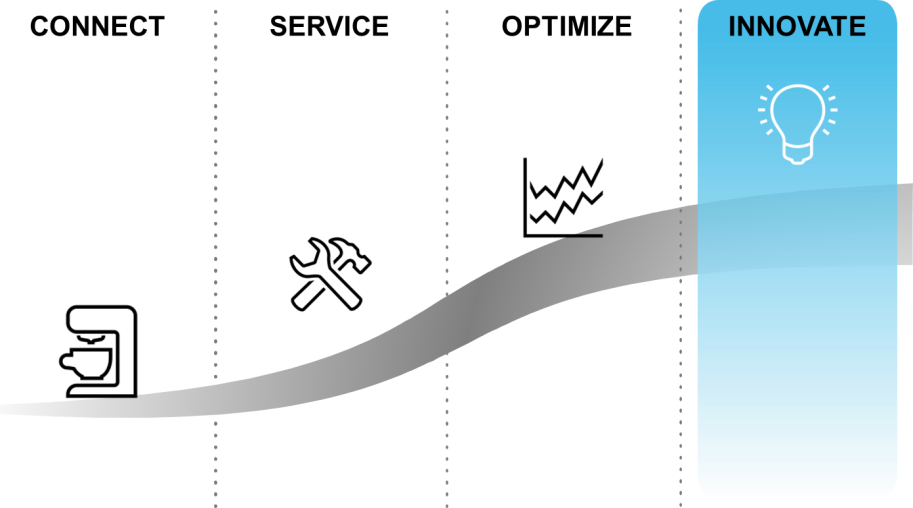
This creates a common understanding of how the current project fits into the corporate strategy and shows the path for further development.
Re 2:
We were able to identify another best practice in our projects in the field of telematics. Many risks in IoT projects arise around the device that is to be integrated for a solution. In order to keep an eye on these risks at all times and identify them at an early stage, we have defined a separate role at our company that looks at the concerns of the device and the necessary integration across all project phases. This allows us to pool integration expertise and identify and minimize risks at an early stage.
This need was also recognized in the Ignite IoT Framework and the recommendation was made to set up a separate role in the project that looks at the solution from an asset lifecycle perspective.
Re 3:
In order to make communication between the two worlds (hardware and software) as efficient as possible and to reduce misunderstandings, it is necessary to use suitable visualizations.
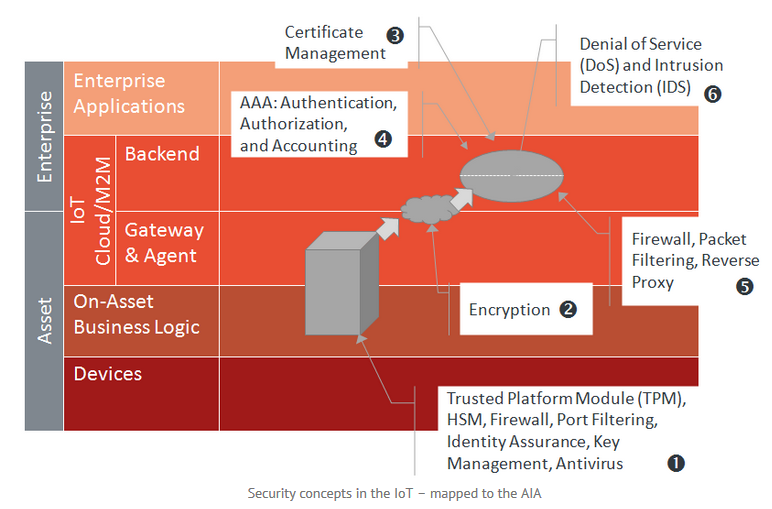
The Ignite IoT framework is based on a layer model, shown here using the example of security concepts on different architectural layers. This visualization can be used both as a basis for technology decisions and to explain implementation issues or for troubleshooting.
At doubleSlash, we have also identified the need for a generic visualization and are currently developing a suitable model. This provides for a subdivision into various necessary components in the backend, for example:
- Identity and access management - role and rights management
- Decoding - Decoding the raw data from the device
- Business logic - project-specific logic
- Persistence - database solution
This somewhat finer granularity has the advantage that questions can be discussed in more detail. For example, during the initial contact with the customer, it can be clarified for each module whether solutions already exist for the specific project or which modules are to be implemented.
Conclusion
The development of further standards and best practices is necessary to further increase the quality of IoT projects and reduce costs by minimizing risks. By consistently analyzing our IoT projects and monitoring the market for further standards beyond technology, we will continue to refine our methodologies and benefit from the advantages of using standards and best practices.
We also see our responsibility in actively helping to shape these standards and are involved in associations such as the M2M Alliance or the Industry 4.0 working group of the IHK Bodensee Oberschwaben.
Sources:
[1] http://www.gartner.com/newsroom/id/2636073
[2] http://enterprise-IoT.org/