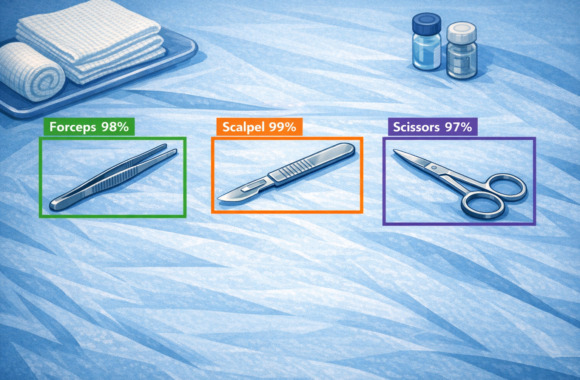

For MedTech For device manufacturers, it is essential to implement strict security measures appropriate to the data class in order to optimally ensure the protection of sensitive data - especially if it is to be stored in the cloud. In this blog post, you will learn how you can not only protect your data from unauthorized access through targeted measures, but also strengthen the trust of your customers.
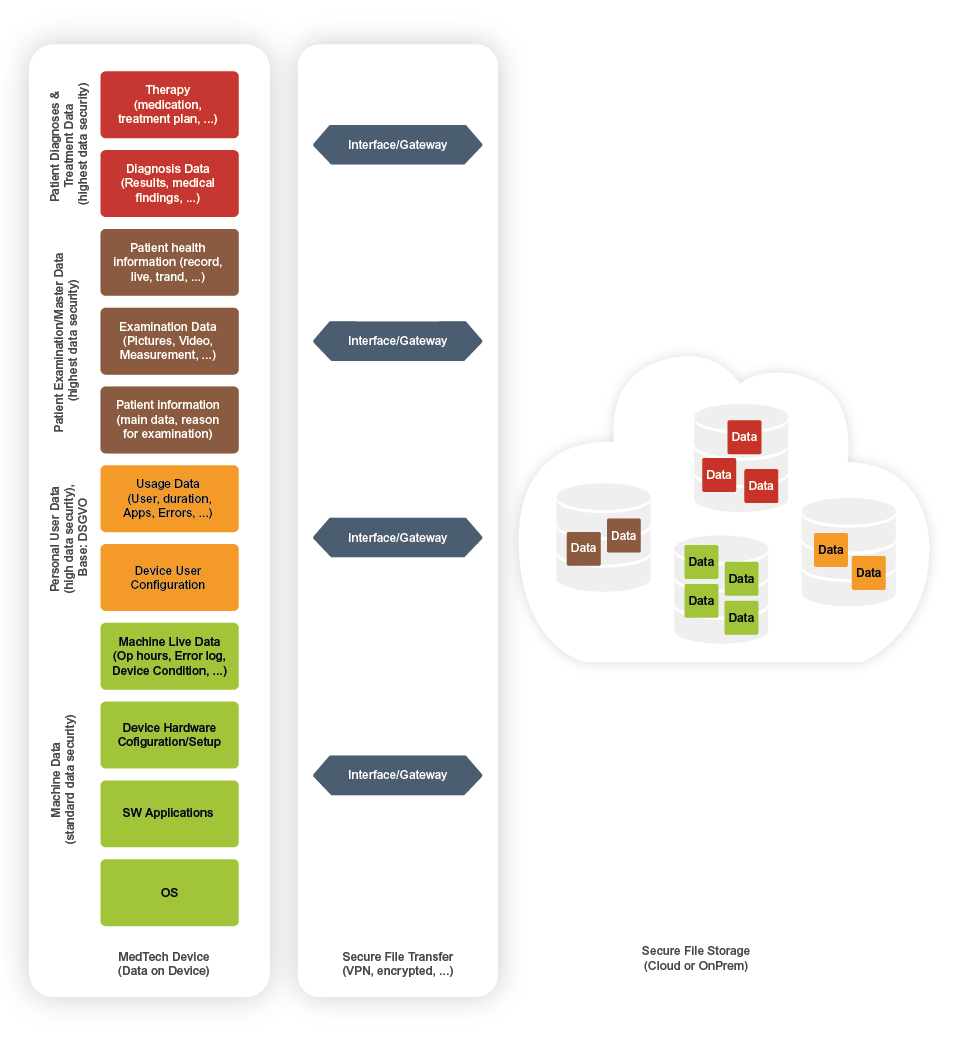
How to optimally classify your Medtech data
- patient data (highest data security, GDPR):
- Patient information: Main data and reasons for examination.
- Examination data: Images, videos and measurements.
- Diagnostic data: Results and medical findings.
- Therapy data: Information on medication and treatment plans
- Patient health information: Electronic health records, real-time data and trends.
- Personal data/user data (high data security, GDPR):
- Usage data: Information about operators/users (e.g. doctors, nurses), duration of use, applications and errors.
- User configurations: Individual settings and preferences of the device user.
- Machine data (standard data security):
- Live machine data: Operating hours, error logs and device status.
- Device hardware configuration: Physical settings and setup.
- Software applications: Installed software and configurations.
Essential security measures for medtech data
1. highest security standards for patient data:
- Encryption: All patient data must be encrypted both during transmission and storage to prevent unauthorized access.
- Access controls: Implement strict access controls to ensure that only authorized individuals have access to sensitive patient data. Use multi-factor authentication (MFA) and role-based access controls.
2. compliance with the GDPR for personal data / user data:
- Data protection guidelines: Develop and implement data protection guidelines that meet the requirements of the GDPR. Train your staff regularly in data protection regulations.
- Data minimization: Collect and process only the most necessary personal data to minimize the risk of data breaches.
- Access rights: Make sure that doctors and nurses only have access to the data they need for their work. For example, maintenance staff should not have access to findings or medication plans.
3. protection of machine data:
- Security protocols: Implement standard security protocols to ensure the integrity and availability of machine data. This includes regular software updates and patches.
- Network security: Use firewalls and intrusion detection systems (IDS) to protect your network against unauthorized access and cyber attacks.
Recommendations for maximum data security
1. for device maintenance and operation:
- Access restrictions: Maintenance staff must only be able to access the necessary machine data, but not medication schedules or other sensitive patient data. This reduces the risk of data breaches and improves data security.
- Data isolation: Separate sensitive patient data from machine data in different databases or through logical partitioning.
2. For the development of new devices:
- Create a data classification guideline for the development of new devices to ensure that all data types are correctly documented and classified according to the required safety standards. Overall, we recommend that MedTech companies define and regulate the classification of data in a data strategy.
- Security by design: Integrate security measures into the development process of new devices right from the start. This includes secure programming, regular security checks and tests.
- Regular audits: Conduct regular security and compliance audits to ensure that all data classification and security measures are effective.

Our assessment
For device manufacturers in the medical technology sector, the classification and protection of data is of paramount importance. By implementing strict security measures and complying with legal regulations, companies can not only ensure data security, but also strengthen the trust of their customers. The recommendations for action presented here are intended to serve as guidelines for achieving secure and efficient data management in medical technology.
Also interesting:
What standards must be adhered to for the secure handling of medtech data? Learn more here!
How can you ensure that your health data is protected according to HIPAA standards? Learn more here!